ACTIONS FOR ENVIRONMENTAL VISION: TOWARD DECARBONIZING LOGISTICS

ACTIONS FOR ENVIRONMENTAL VISION: TOWARD DECARBONIZING LOGISTICS

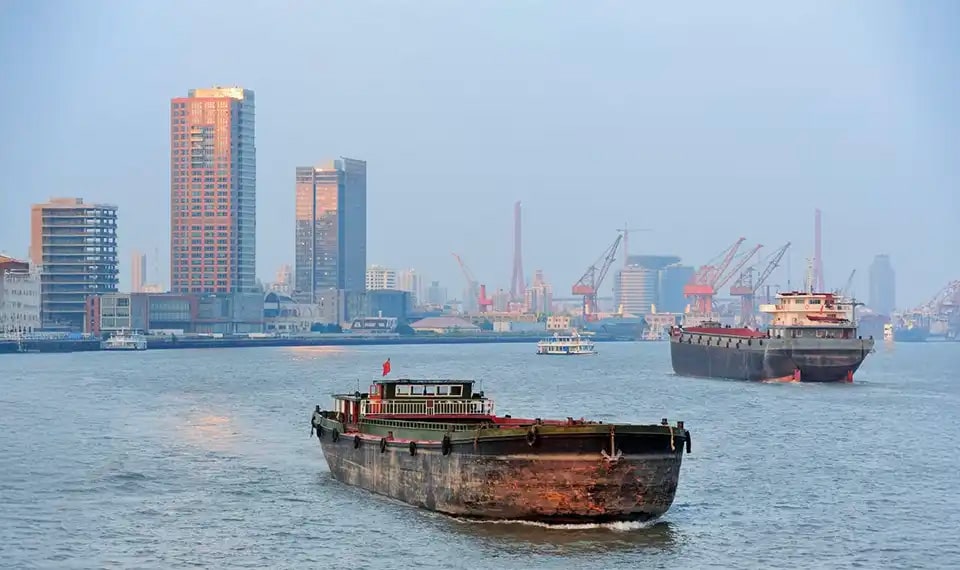
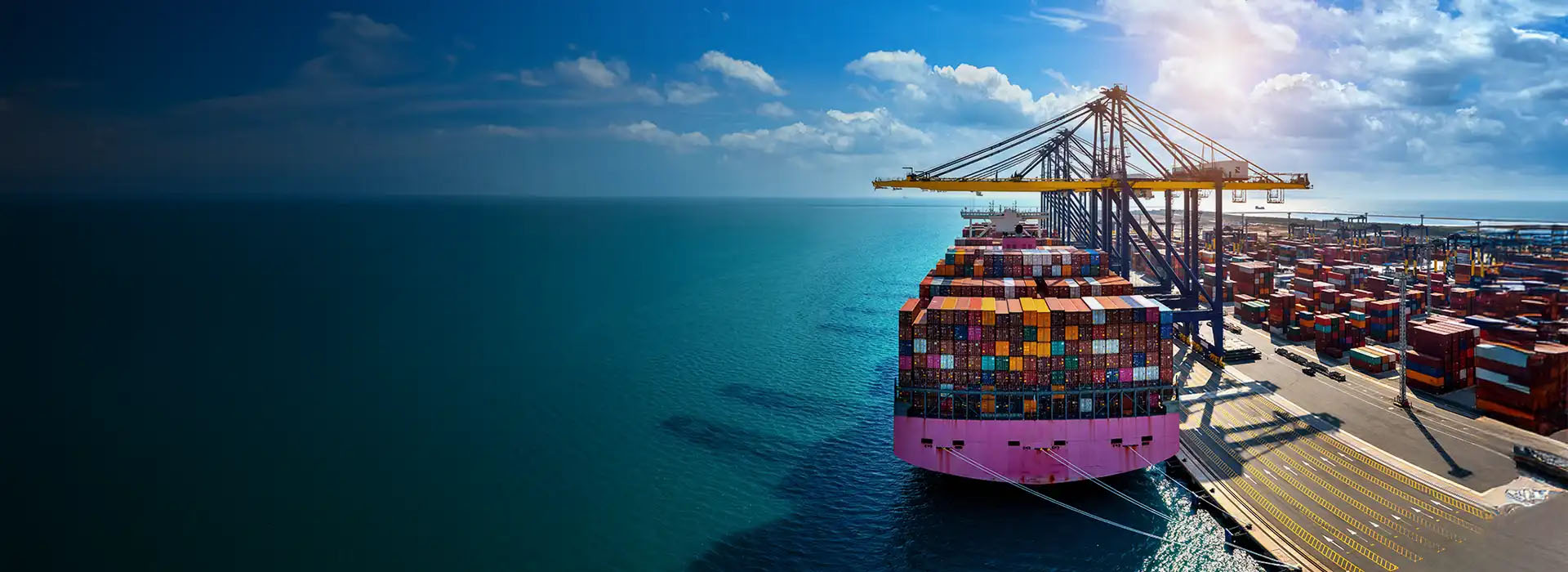
Epson aims to become carbon negative by 20501. To reach this goal, it is working on various initiatives to reduce greenhouse gas (GHG) emissions not only in the production process but also in logistics. Especially for Epson, which has a high ratio of overseas sales and is heavily reliant on maritime transportation, reducing the environmental impact of shipping is one of the major challenges toward decarbonizing logistics as a whole.

"We want to deliver products to customers without environmental burden."

Reducing Shipment Frequency by Improving Load Efficiency

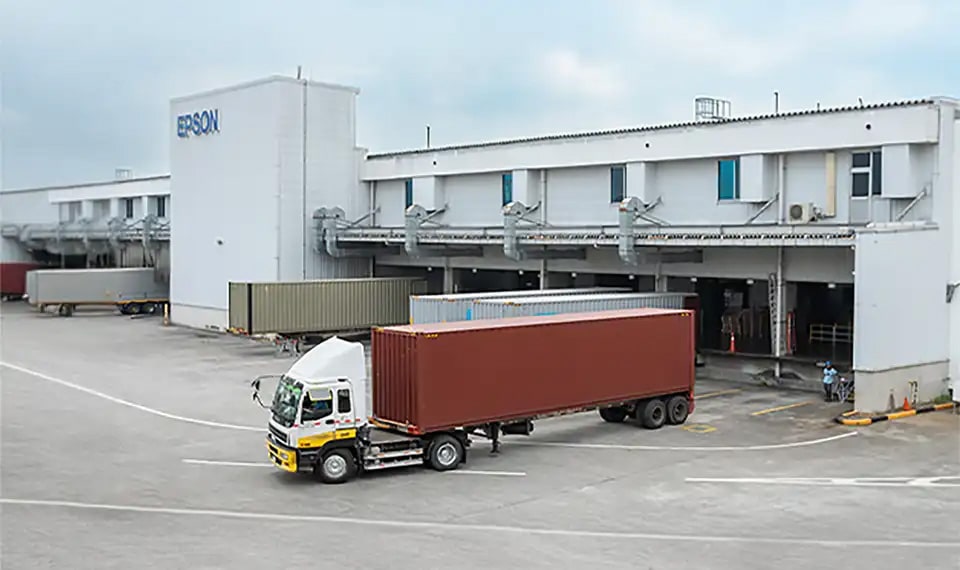
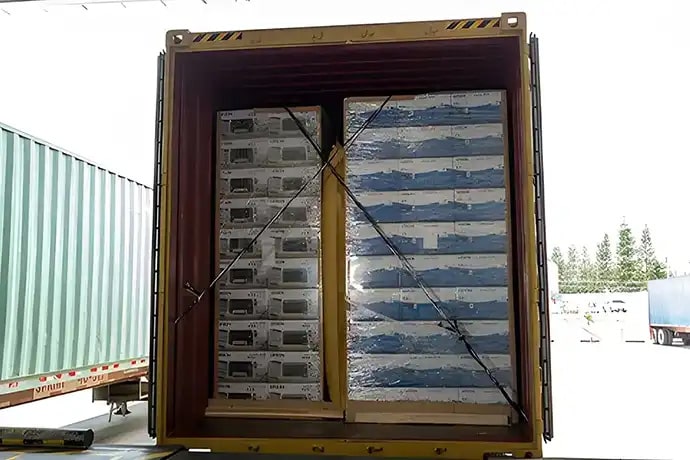
In logistics, transporting the same amount of goods more efficiently leads to reduced GHG emissions. Epson had been gradually replacing standard containers used for maritime transport with high-cube containers2, working with warehouse staff and dealers. This has increased the loading capacity per container by 14.3%. We continue to work on improving loading efficiency through product miniaturization, optimizing the combination of transported products and utilizing sheet pallets.
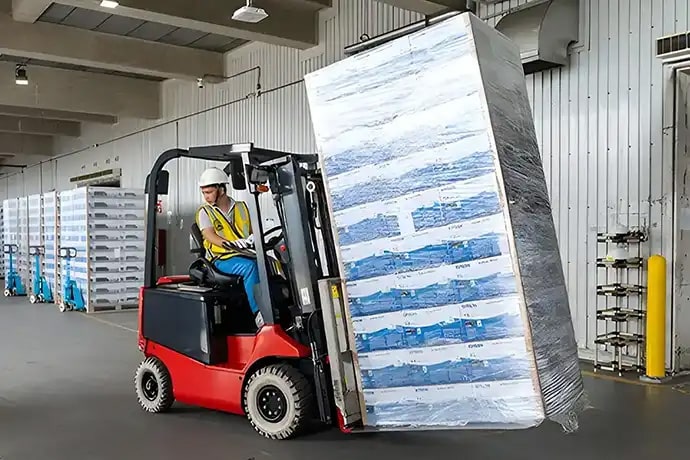
Products being transported for shipment. Sheet pallets are used to improve loading efficiency.

Products being transported for shipment. Sheet pallets are used to improve loading efficiency.

Products efficiently loaded into a high cube container

Products efficiently loaded into a high cube container

/ 0
Challenge of Reviewing of Sea Routes

Challenge of Reviewing of Sea Routes

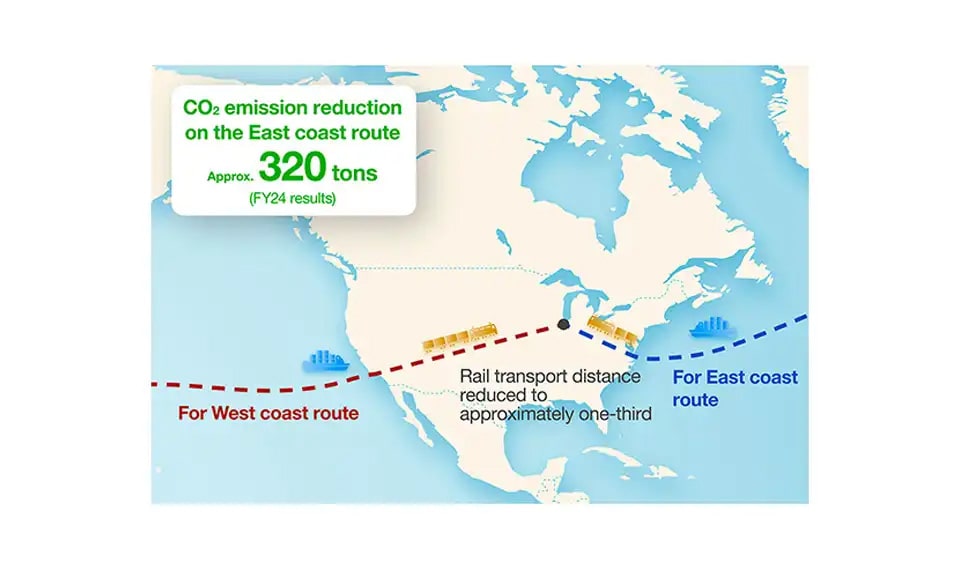
By developing a new route to the east coast, we were able to reduce GHG emissions by approximately 320 tons (FY24 actual results).

Optimizing transport routes also contributes significantly to reducing GHG emissions. Establishing a new regular route to North American bases was a major challenge for Epson.

From West Coast to East Coast

From West Coast to East Coast

Previously, products heading to the North American continent were transported by sea from production bases in Southeast Asia to Long Beach, California, on the west coast. From there, they were transported overland by diesel-powered rail and other means to warehouses in Indiana in the central eastern part of the North American continent.

In contrast, in the newly established regular transport route, cargo from Southeast Asia is unloaded at the opposite, east coast and transported overland to warehouses in Indiana. Although this route to the east coast has a longer maritime transport distance compared to the conventional route, it significantly reduces the overland train transport distance, resulting in an estimated total GHG emissions reduction of about 320 tons3.

Until now, this route to the East Coast was set up solely with the expectation of BCP (business continuity planning in the event of a disaster), but because both BCP and reducing environmental impact are important themes for us, after discussions with the relevant parties, we have been able to realize regular operation of this route. This route revision not only reduces GHG emissions but by securing multiple routes, it is expected that the risk of product supply being delayed or halted due to changes in the international transportation environment, such as port congestion, will be diversified.

Overcoming Challenges

Overcoming Challenges

However, developing new regular routes presented various difficulties. For example, there are many possible maritime transport routes, and it is important to determine a stable and efficient route within constraints such as transport distance, lead time, and connectivity at intermediate ports. Also, to coordinate with various transporters involved after unloading, adjustments in delivery time and costs were necessary.

A wide range of opinions were expressed by stakeholders, but through repeated dialogue and coordination toward the common goal of "stable, efficient transportation with reduced environmental impact" that the company aims to achieve, we were finally able to realize regular operation of the route to the East Coast as a scheduled transportation route.

Leveraging alternative fuel shipping services for maritime transport

Leveraging alternative fuel shipping services for maritime transport

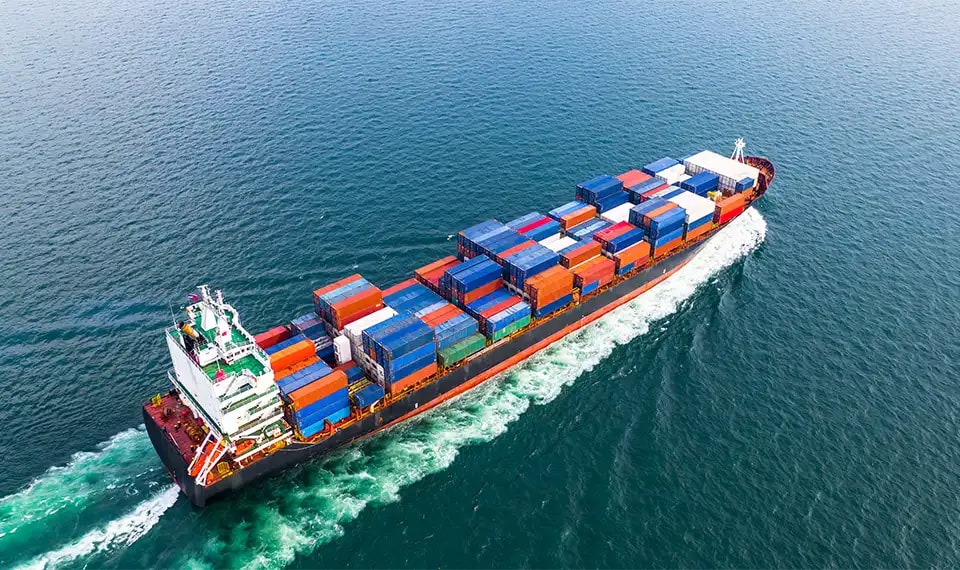
While continuing these in-house efforts, as a further initiative to reduce the environmental impact of maritime transport, in 2024, Epson began utilizing ocean freight services that use alternative fuels4 such as biodiesel and green methanol on some routes. GHG emissions on routes using these services are expected to be reduced by up to 84%5 compared to transportation using conventional heavy oil-fueled container ships.

By transporting 100 40-foot containers exported from the Philippines using container ships with alternative fuels, GHG emissions were reduced by about 220 tons6 compared to conventional transportation in 2024.

Although this is a small-scale initiative when viewed from the perspective of Epson as a whole, we believe it is important to continue to build on these efforts little by little and demonstrate to society that there is a demand for these types of services.

Toward Epson's Future Vision

Toward Epson's Future Vision

Reducing GHG emissions in maritime transport is an essential challenge for the realization of decarbonized logistics. Epson will continue its effort to improve loading efficiency, reduce transport frequency, and optimize transport routes to further promote the reduction of GHG emissions in logistics. In addition to our own initiatives, we will also contribute to the decarbonization of the shipping industry and society as a whole through the use of alternative fuels.

For a sustainable future, Epson is seriously working on what can be done now and what should be done. Not only during the production process, but also in the product delivery process to customers with minimum GHG emission. To achieve such a goal, Epson's endeavor will continue.

See some of the things we are doing to enrich the future

At Epson, our employees face societal issues head-on in an effort to achieve sustainability and enrich communities.
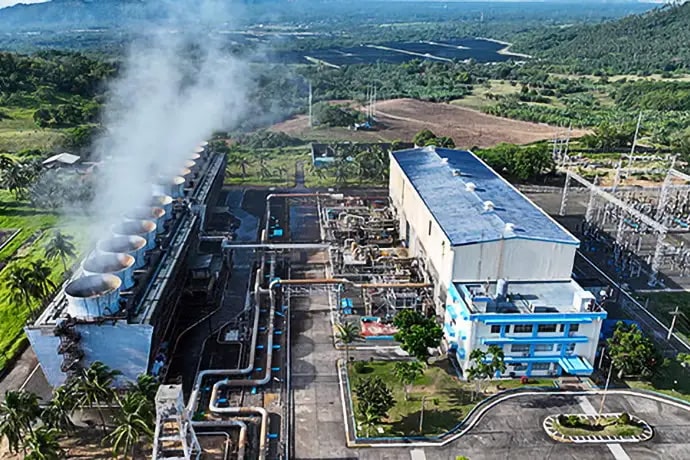
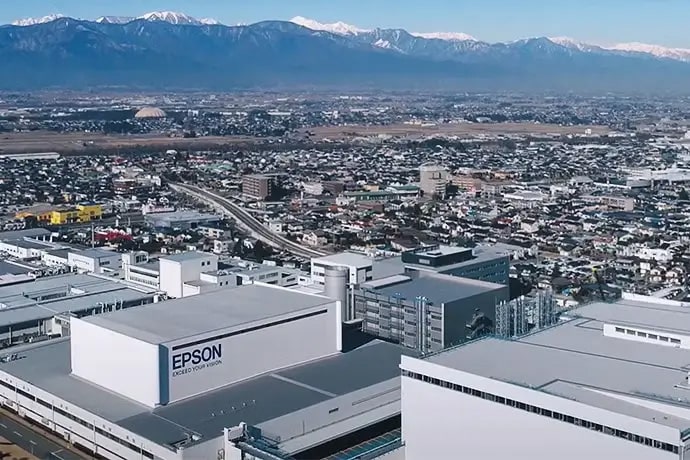
Manufacturing supported by 100% renewable electricity

Manufacturing supported by 100% renewable electricity

FIND OUT MORE
Striving to become underground resource free

Striving to become underground resource free

FIND OUT MORE
Making the world a better place through our business activities and community giveback programs

Making the world a better place through our business activities and community giveback programs

FIND OUT MORE
/ 0

1 Reference link: Vision | Sustainability | Epson

2 High-cube containers have the same width and length as the standard containers but are about 30 cm taller, offering approximately 12 % more capacity.
Reference link: Value-Chain Case | Sustainability | Epson

3 Actual number for 2024 if some of the routes from Southeast Asia (Indonesia and Thailand) to the west coast of North America are switched to routes to the east coast of North America

4 Fuels that emit fewer greenhouse gases than conventional heavy fuel oil

5 Compared to using standard fossil fuels on specific routes

6 Compared to standard fossil fuels. Actual number for the route, from Southeast Asia to Europe, from October 2024 to March 2025.

Customer Service
  • Product Registration
  • Activate CoverPlus
  • Extended warranty promo
  • Contact Us
  • Dealer Search
Legal
  • Privacy Information Statement
  • Terms of use
  • Safety Data Sheets
  • Standard Warranty
  • CoverPlus Terms
  • Security Notifications
Technologies
  • Heat-Free Technology
  • PrecisionCore Technology
  • Micro Piezo Technology
  • Innovative Technologies
  • Sustainable Technologies
Company
  • About Us
  • Sustainability
  • Careers
  • Culture
  • Global
  • EthicsPoint
Copyright © 2026 Seiko Epson
  • Accessibility Statement|
  • Contact Us About Your Data|
  • Cookie Information